

f you’re heading to Mérida, someone will tell you: “You have to go to the cenotes.” And they’re right. Yucatán is dotted with dozens of freshwater pools, crystal-clear and cool, some open to the sky and others hidden inside caves. Ready for a swim through history.
In this guide we cover what to know before you go: what a cenote is, why Yucatán is full of them, which ones to visit and how to enjoy them without the hassle.
What is a cenote?
A cenote is a natural freshwater sinkhole. It forms when the roof of an underground cave collapses and exposes the water flowing beneath.
There are three kinds:
- Open: they look like a lagoon surrounded by jungle.
- Semi-open: part of the roof is still standing, and a beam of light comes through.
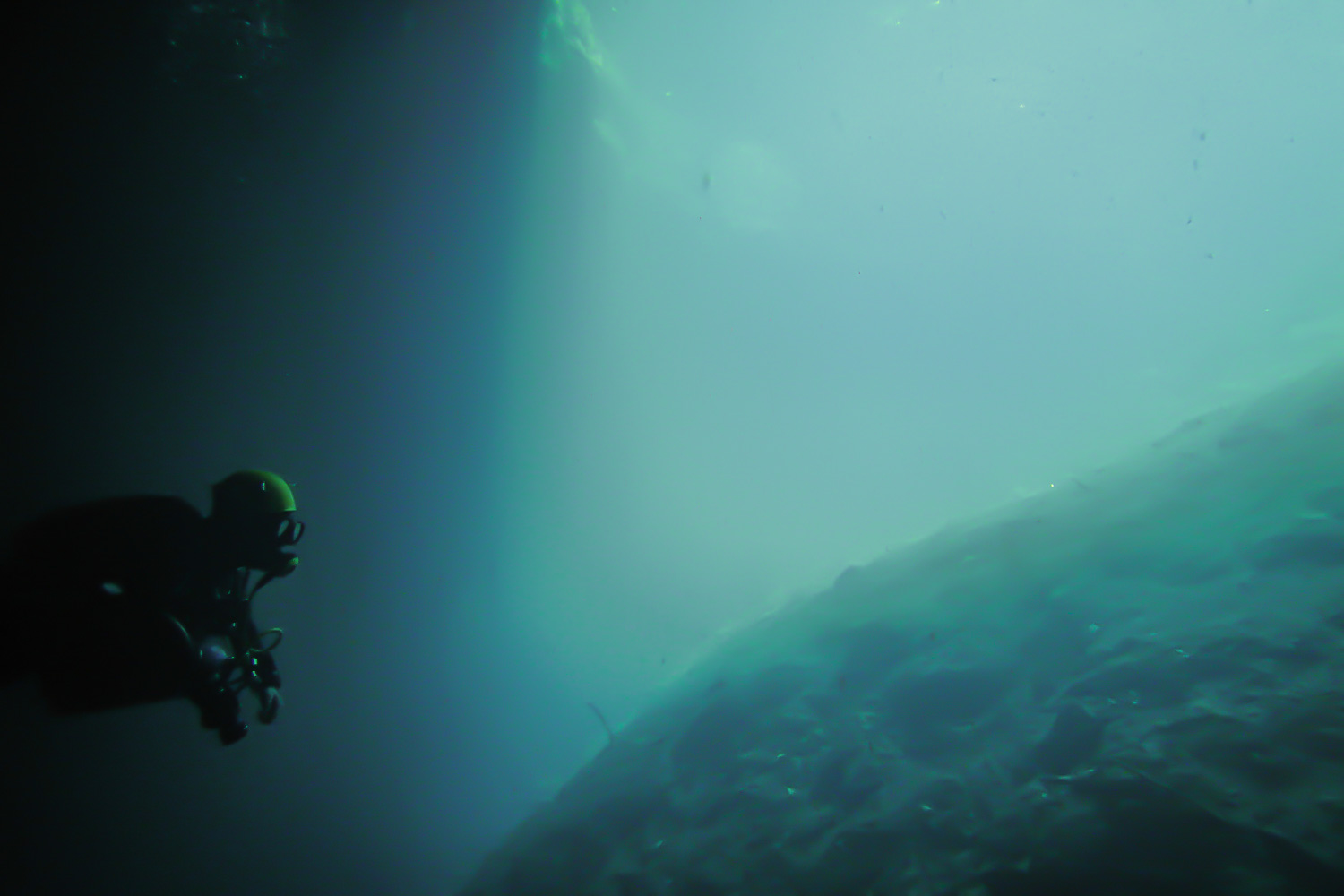
- Cave cenotes: completely underground, reached by stairs.
The word comes from the Maya dzonot, meaning “cave with water.”
Why are there so many cenotes in Yucatán?
Here’s the good part. More than 66 million years ago, an asteroid struck northern Yucatán. Yes, the same one that wiped out the dinosaurs. The impact left a huge crater, Chicxulub, about 200 kilometers wide.
Over time, the crater was buried. But the rock along its rim cracked, rainwater seeped in and slowly dissolved the limestone. That’s how caves formed, and when their roofs fell in, the cenotes appeared.
The result is an arc of cenotes tracing the edge of the crater: the Ring of Cenotes. In fact, it was the cenotes that helped scientists find the crater, in 1991.
Cenotes and the Maya
Northern Yucatán has almost no rivers. The water runs underground. That’s why, for the Maya, cenotes meant life: they drew their drinking water from them, and towns and cities grew up around them.
They were also sacred places. The Maya believed cenotes were the entrance to Xibalbá, the underworld, and the home of Chaac, the rain god. They left offerings there to ask for rain.
The most famous example is the Sacred Cenote at Chichén Itzá. Jade, gold, ceramics, copal and even human remains have been recovered from its depths.
So when you slip into a cenote, remember you’re swimming in a place the Maya revered for centuries.
The best cenotes near Mérida (without the crowds)
Some cenotes near Mérida feel like water parks: music, lines and hundreds of people. If you’re after something else — silence, clear water and jungle all around — these are our favorites. They’re more rustic, some are reached by dirt roads, and that’s exactly why they still feel the way they should.
Kankirixché.
Near Mucuyché, in the municipality of Abalá. You climb down about 15 meters on a ladder into a huge cave, with roots hanging from the ceiling all the way to the water. Between 11 a.m. and 2 p.m., the sun slips in and lights it up.
Noh Mozón.
Near Tecoh. It’s large, deep and an intense blue. You reach it by a dirt road, so there’s hardly ever anyone there. A favorite among divers.
Su-Hem.
Right by the village of Pixyah. An open cenote with emerald-green water, surrounded by jungle. You’ll very likely spot the turquoise-browed motmot — the toh — with its pendulum-shaped tail. There’s a platform for jumping in.
Nah-Yah.
Also in Pixyah. A semi-open cenote with calm blue water. At midday the sun reaches the bottom and the water turns turquoise.
From Galopina, all four cenotes are close by, and you can combine two in one morning.
Tips for visiting (and preserving) the cenotes.
- Go early. Most places open at 8 a.m. On weekdays, before 10 a.m., you’ll practically have the place to yourself.
- Bring cash. They don’t accept cards.
- No sunscreen or insect repellent. The creams pollute the water. Before you go in, rinse off.
- Wear water shoes. The stairs and rocks can be slippery.
- Bring a life jacket if you’re not a strong swimmer. At rustic cenotes, they aren’t always available for rent.
- Don’t touch the stalactites or the roots. They take thousands of years to form.
- The best time to visit is from November through April, when it’s cooler and there’s little rain.
Where to Stay Near the Cenotes
Most people visit the cenotes as a day trip from Mérida or Cancún: a long drive and little time in the water. There’s another way to do it: stay within the cenote ring.
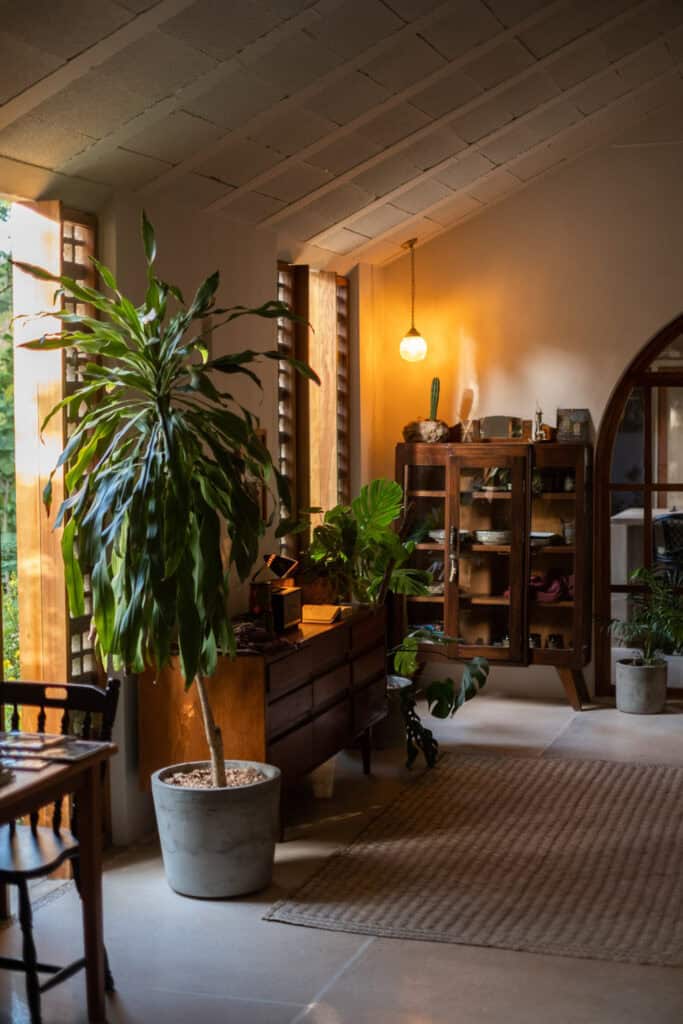
Galopina is a five-suite hotel (though we like to call it a “house for travelers”) with private terraces in Seyé, 35 km from Mérida, inside the Ring of Cenotes State Reserve. It holds a MICHELIN Key 2026.
Staying here lets you arrive at the cenotes before the tour groups and return to relax in the jungle. You can go on your own by car or ask us to arrange your day with a private driver. Explore the suites.
The journey across the peninsula continues
Galopina is part of Las Casas de la Península, a route featuring five independent homes that takes you through Yucatán, Campeche, and Quintana Roo:
- Casonas MX, in Campeche
- Galopina Casa Silvestre, in Seyé
- Casona Los Cedro in Espita
- Cat Ba House, in Holbox
- Azul Nomeolvides, in Bacalar
Frequently Asked Questions About the Cenotes Near Mérida
If you’re looking for clear water and fewer crowds, check out the more rustic cenotes in the Cenote Ring, such as Kankirixché, Noh Mozón, Su-Hem, and Nah-Yah. They’re less than an hour from Galopina and far from the tourist-packed routes.
It’s an arc of cenotes that marks the rim of the Chicxulub crater, formed by the asteroid that wiped out the dinosaurs (unbelievable, but true!). It has been a protected reserve since 2013 because it supplies water to Mérida.
Admission is usually inexpensive and must be paid in cash. The price varies depending on the cenote, so be sure to bring small bills.
No. Sunscreen and insect repellent pollute the water. It’s best to shower before entering.
Swimsuit, towel, water shoes, cash, and a T-shirt for the sun.
You can stay within the cenote ring on the outskirts of Acanceh at Galopina, a five-suite hotel 35 km from Mérida, with rustic cenotes such as Noh Mozón, Su-Hem, and Nah-Yah nearby.